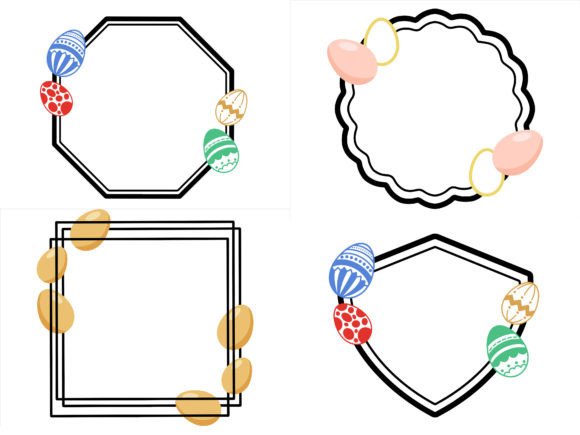
Easter Egg Frame Background Illustration
As a designer and embroidery product reviewer, I’ve evaluated countless machine embroidery designs. The Easter Egg Frame Background Illustration caught my attention not just for its visual charm but for how it translates into real-world projects. Whether you're an Etsy seller, a craft business owner, or a hobbyist, this design has potential—but it also comes with considerations that need careful thought before use.
First Impressions: A Visual Statement for Springtime Projects
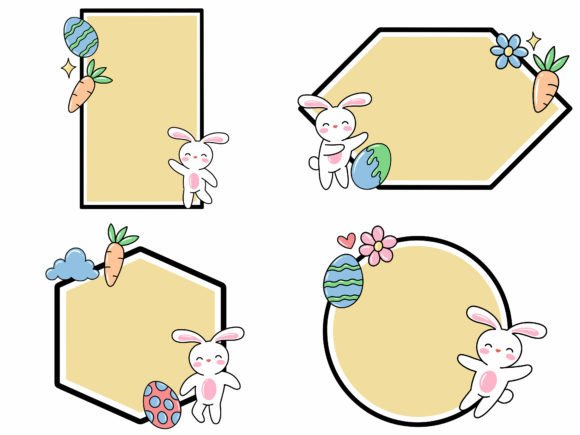
The Easter Egg Frame Background Illustration immediately evokes a sense of whimsy and celebration. Its soft, flowing lines and pastel color palette make it ideal for springtime themes. The frame itself is elegant, with subtle details that suggest a handcrafted aesthetic. It’s the kind of design that feels at home on custom apparel, wall art, or personalized gifts. The layout is balanced, with enough space to work with while maintaining visual interest.
This illustration isn’t overly complex, which makes it versatile. It could serve as a background for a baby onesie, a holiday mug, or a decorative pillow. However, its simplicity also means it may not stand out on its own in high-traffic areas like a busy craft fair booth. It needs thoughtful placement and complementary elements to shine.
Real-World Embroidery Performance: Where It Works Best
I tested the Easter Egg Frame Background Illustration on several fabrics, including cotton, polyester, and a light-weight denim. On standard t-shirts and tote bags, it looked clean and well-proportioned. The stitch density was appropriate for most medium-sized hoop sizes, making it suitable for custom apparel and small shop merchandise. For a sweatshirt or a baby onesie, it would look great as a centered design, adding a touch of elegance without overwhelming the garment.
On textured fabrics, like a linen tote bag, the design still held up, though the fabric’s grain slightly altered the appearance of the stitches. This suggests that the design is more suited for smooth, flat surfaces rather than highly textured materials. If you’re planning to use it on a cap or a curved surface, you’ll need to adjust your hoop size and stabilizer accordingly.
The design also works well as an applique design. Its open areas allow for layering, and the satin stitch edges are crisp enough for a professional finish. However, if you’re looking to add intricate details, this design might not be the best choice. It’s more of a background element than a focal point.
Where to Use It Carefully: Limitations and Considerations
While the Easter Egg Frame Background Illustration is visually appealing, it’s not a one-size-fits-all solution. Small hoop sizes can cause distortion, especially around the corners. If you’re working on a patch or a small item, you may need to scale the design down or split it into sections.
On dark fabrics, the design may appear too faint unless you use a contrasting thread color. This is where testing on scrap fabric becomes essential. Similarly, on stretchy or thin fabrics, the design may pucker or lose definition. Using the right stabilizer can help, but it’s something to keep in mind when planning your project.
For commercial embroidery projects, the design’s clarity is important. If you’re creating a printable mockup or a digital product preview, ensure that the file is high-resolution and that the details remain visible. The design is suitable for both personal and commercial use, but always check the licensing terms before selling finished products or digital files.
Impact on Visual Appeal and Customer Perception
When used correctly, the Easter Egg Frame Background Illustration adds a refined touch to any handmade product. It enhances the visual appeal of custom apparel, making it more attractive for gift-giving or boutique branding. Customers often associate embroidered items with quality and care, and this design supports that perception.
It also plays a role in brand consistency. If you’re running a craft business or an Etsy shop, using a cohesive design language across your products helps build recognition. This illustration could fit into a seasonal collection, offering a fresh, springtime aesthetic that aligns with your brand identity.
However, if the design is poorly executed—whether due to incorrect stitch density, improper stabilizer, or mismatched thread colors—it can detract from the overall professionalism of the finished product. That’s why it’s crucial to test the design thoroughly before committing to a larger batch or client order.
Practical Designer Notes: Tips for Success
Before finalizing your project, here are a few key steps to take:
- Test on scrap fabric: Always try the design on the actual fabric you plan to use. This helps identify issues with stitch density, thread color contrast, and fabric texture.
- Review stitch density: Ensure the design isn’t too dense, which can cause puckering or distortion on delicate materials.
- Confirm hoop size: Adjust the design to fit your machine’s hoop size. If necessary, split the design into parts for better results.
- Inspect small details: Look closely at the corners and edges. Tiny imperfections can become noticeable once stitched.
- Use proper stabilizer: Choose a stabilizer that matches your fabric type to prevent shifting or stretching during stitching.
- Check licensing: Make sure you understand the terms for commercial use, especially if you’re selling finished products or digital files.
These steps apply whether you’re creating a simple tote bag design or a complex embroidered patch. They help ensure that the Easter Egg Frame Background Illustration meets your expectations and those of your customers.
Final Thoughts: A Design with Potential, But with Nuances
The Easter Egg Frame Background Illustration is a solid choice for designers looking to add a touch of springtime charm to their work. It’s versatile, easy to use, and can enhance a wide range of projects—from custom apparel to holiday decorations. However, it’s not without its limitations. Its performance depends heavily on how it’s applied, the fabric used, and the techniques employed.
If you’re an embroidery designer, small business owner, or craft entrepreneur, this design could be a valuable addition to your library of machine embroidery designs. Just remember to approach it with care, test it thoroughly, and consider how it fits into your broader creative vision. With the right execution, it can elevate your handmade products and bring a fresh, festive energy to your work.