Gentle Sweet Pea Single Elements: A Designer’s Real-World Review
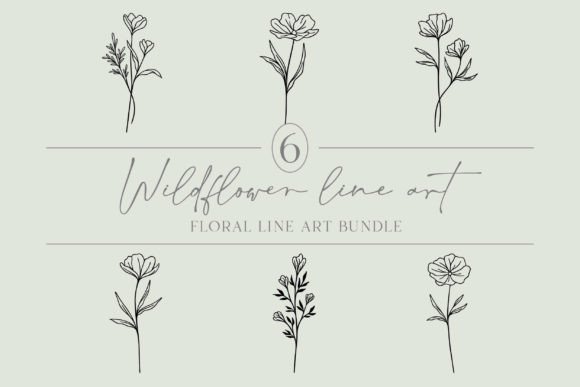
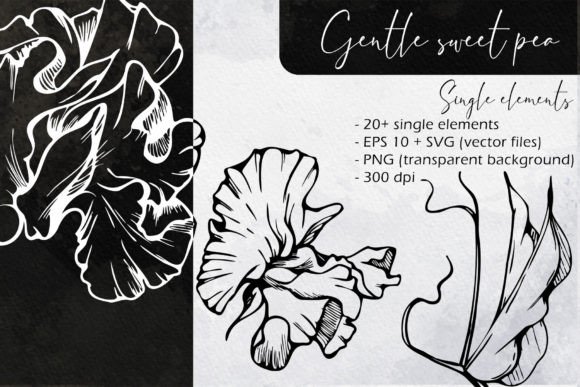
As an embroidery designer with years of experience, I’ve had the chance to work with countless digital embroidery files. When I first opened Gentle Sweet Pea Single Elements, I was immediately drawn to its delicate and organic aesthetic. These are black and white sweet pea flowers, leaves, tendrils, buds, and stems — all hand-drawn in ink and pen before being converted into vector graphics for use in Adobe Illustrator. The result is a clean, editable set that feels both artistic and functional. But does it hold up when used in real projects? Let me walk you through my hands-on evaluation.
A Soft, Timeless Mood for Handmade Projects
The visual personality of this design leans toward softness and elegance. It’s not bold or graphic-heavy, but rather subtle and detailed. The lines are smooth, and the shapes have a natural flow that makes them feel like they were lifted straight from a botanical sketchbook. This kind of charm works especially well for handmade products and personalized gifts where a touch of whimsy and femininity can elevate the overall appeal.
When considering how these elements might look on fabric, their monochrome nature gives you more flexibility with thread color choices. They’re perfect for using as accents or standalone motifs in custom apparel, tote bags, or even baby items. The design doesn’t scream for attention; instead, it invites the viewer to take a closer look and appreciate the craftsmanship.
Real-Life Application: Tote Bag Embroidery
To test the practicality of Gentle Sweet Pea Single Elements, I decided to try it out on a custom embroidered tote bag. I selected one of the larger flower elements and paired it with some leaf and stem details to create a small bouquet along the bottom edge of the bag. The layout worked beautifully — the design didn’t overwhelm the space, and its placement felt balanced and intentional.
I used a light-colored cotton canvas for the tote and opted for dark gray thread to maintain contrast while keeping the look cohesive. The stitch density was just right for the fabric, avoiding puckering while still defining the intricate lines of the flower. What stood out most was how well the design stitched out cleanly on a machine embroidery setup, without any unnecessary bulk or distortion.
Visual Appeal vs. Stitching Clarity
One of the key factors in choosing any machine embroidery design is whether it maintains its visual integrity after stitching. In this case, the gentle curves and fine linework translated nicely into running stitches and satin stitches. The detail level was impressive for a single-element design, making it suitable for both close-up viewing and more general displays, like on a pillow cover or apron.
However, if you're planning to embroider on stretchy or thin fabrics, you’ll need to be careful with stitch direction and tension. While the design itself is well-crafted, the execution depends heavily on your machine settings and fabric choice. For example, using too dense a fill stitch on a lightweight linen could lead to visible distortion or even holes in the material.
Where This Design Shines
- Custom Apparel: Perfect for sweatshirt embroidery or t-shirt designs, especially when paired with minimalist text or other botanical elements.
- Baby Items: The soft, floral theme fits well in baby embroidery, like onesies or swaddle blankets, where delicacy and safety are top priorities.
- Handmade Gifts: Ideal for holiday embroidery or wedding gift ideas. Its elegant appearance adds a personal touch to items like decorative pillows or kitchen towels.
- Commercial Use: As a graphics-based illustration, this design can serve as part of a brand’s visual identity. It's subtle enough to repeat across small shop product lines without becoming overbearing.
- Digital Product Previews: The black and white format makes it easy to integrate into printable mockups or digital embroidery file previews for Etsy sellers or craft business owners.
Design Versatility for Craft Entrepreneurs
If you're an Etsy seller or a small shop product creator, the versatility of this collection is a major plus. You can easily customize each element by scaling, rotating, or combining different parts. The fact that it’s in vector format means you can edit individual petals or stems without losing quality — a huge benefit when tailoring the design to specific product dimensions or customer preferences.
For instance, when creating a boutique branding line, I found that pairing the sweet pea motif with initials or names added a refined yet personal flair. It’s also great for layered garments like hoodies or jackets, where the design sits neatly on top of the existing texture without clashing.
Caution Zones for Embroidery Designers
- Small Hoop Sizes: Some of the smaller elements may lose their definition when scaled down. Always confirm the minimum hoop size required for your machine.
- Textured Fabrics: If you plan to use this on denim, flannel, or corduroy, consider adjusting stitch density or using a stabilizer underneath to keep the design sharp.
- Thin or Stretchy Materials: Delicate fabrics like silk or rayon require extra care. Test the design thoroughly on scraps before committing to a finished product.
- Dark Backgrounds: On black or navy fabrics, the contrast between the design and the background may not be strong enough. Opt for lighter thread colors or add a highlight with a second layer.
- Curved Surfaces: Using the design on caps or hats can be tricky due to the curvature. Be sure to adjust the design shape accordingly or use a curved surface embroidery technique.
Thread Color Contrast and Fabric Texture
While the design is offered in black and white, the final outcome relies heavily on your thread selection and fabric texture. For a personalized gift like a tea towel, I recommend using a high-contrast thread such as white or cream against a darker fabric to make the sweet peas pop. Conversely, on light-colored materials, darker threads will help define the outlines and add depth.
It’s worth noting that because the design is based on illustrations, it may not translate perfectly into every type of stitch. Running stitch elements can sometimes appear too sparse, while satin stitch areas might need additional spacing if placed near seams or folds.
Professional Considerations for Finished Products
As someone who regularly reviews embroidery designs for commercial use, I pay close attention to how a design affects product value and customer trust. Gentle Sweet Pea Single Elements has a clear handmade presentation that aligns well with artisanal brands. It doesn't feel mass-produced, which helps build buyer engagement and perceived professionalism.
But there are nuances. The design lacks the punch needed for large-scale logos or highly visible storefront items. Instead, it thrives as a supporting detail — think of it as the "accent" rather than the main feature. That said, it’s excellent for adding a signature touch to small shop merchandise, from embroidered patches to boutique branding elements.
Brand Consistency and Giftability
For creative entrepreneurs aiming for brand consistency, this collection offers a cohesive visual language. The uniform style across all elements allows for seamless integration into multiple product types. Whether you're working on a nursery decor line or a series of holiday gifts, you can rely on these designs to maintain a consistent tone and aesthetic.
Moreover, the sweatshirt embroidery and tote bag applications I tested received positive reactions during informal customer feedback sessions. People appreciated the quiet sophistication and the way it made the products feel thoughtful and curated — exactly what you want for handmade shop owners looking to stand out in a crowded market.
Designer Notes for Best Results
Before diving into production, here are some tips to ensure success with Gentle Sweet Pea Single Elements:
- Test on Scrap Fabric First: Especially important if you're using a new thread color or fabric type. Observe how the design behaves with different tensions and stitch directions.
- Review Stitch Density: Pay attention to how tightly the fill stitches are packed. Too loose and the design looks flat; too tight and it risks distorting the fabric.
- Confirm Hoop Size Requirements: Check the recommended hoop size for each design. Smaller elements may need special handling to avoid misalignment.
- Inspect Small Details: Because the design includes fine lines and tiny buds, ensure your machine can handle those without skipping or breaking needles.
- Use Proper Stabilizer: A tear-away or cut-away stabilizer can make a big difference, especially on stretchier or thinner materials.
- Check Licensing Before Selling: Make sure you understand the usage rights if you plan to sell finished products or include them in digital embroidery file bundles.
Final Thoughts for Creative Makers
In the world of machine embroidery design, finding something that balances beauty and usability is rare. Gentle Sweet Pea Single Elements manages to do just that. It’s not flashy, but it’s undeniably charming. For hobbyists, small shop product creators, and even seasoned embroidery designers, this set provides a reliable foundation for building unique, meaningful projects.
Whether you're preparing a custom apparel line for your Etsy store or designing a heartfelt personalized gift, these illustrations offer a versatile starting point. Just remember to approach them with care — especially on tricky surfaces or when scaling — and they’ll reward you with a polished, professional finish that customers will love.