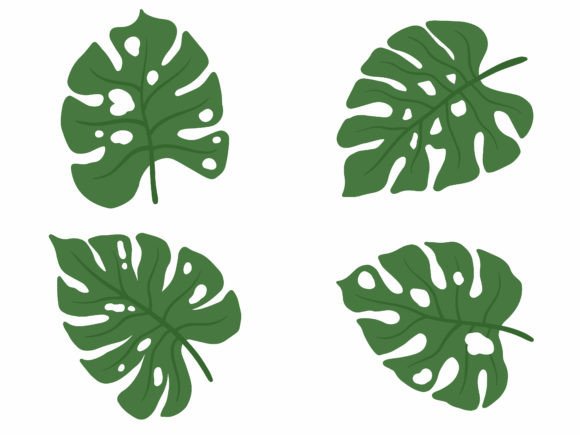
Tropical Green Leaves Illustration Review: A Designer’s Take
As an embroidery designer with years of hands-on experience, I often find myself sifting through countless digital design files to find the right fit for a project. Recently, I came across Tropical Green Leaves Illustration, and I wanted to take a closer look from the perspective of real-world application. This isn’t just about aesthetics—it’s about how the design will perform on fabric, what kind of products it suits best, and where it might fall short if not handled carefully.
First Impressions and Visual Personality
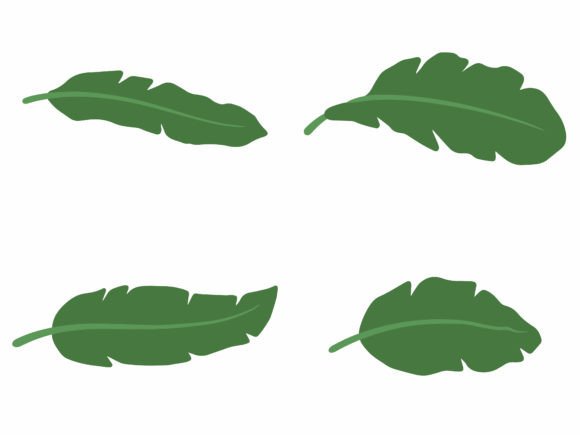
The moment I opened Tropical Green Leaves Illustration, I was struck by its organic flow and natural rhythm. It doesn’t scream for attention; instead, it whispers with subtlety. The leaves are layered in a way that suggests movement and depth, creating a lush, tropical atmosphere without feeling cluttered. There's a sense of calm and warmth that makes me think this could be perfect for seasonal items or nature-themed collections.
Visually, the design leans into a soft, botanical style—ideal for handmade products that aim to feel cozy and personal. The layout is balanced, and the detail level is just enough to suggest realism without being overwhelming. For someone running a craft business or managing an Etsy shop, this kind of aesthetic can help set a product apart while maintaining a clean, professional look.
Real-Life Use Cases and Project Fit
I decided to imagine using this design on a custom embroidered tote bag for a boutique client. The idea was to create something that felt both functional and stylish—something that could carry groceries but also double as a fashion accessory. After placing the embroidery file onto a mockup, the leaves looked vibrant and fresh, which matched the brand’s eco-friendly and bohemian vibe perfectly.
Tropical Green Leaves Illustration would work well on a range of items:
- Sweatshirts and T-shirts: Its gentle curves and color palette suit casual wear without looking too busy.
- Pillow covers and wall art: The design brings a touch of the outdoors indoors, especially when stitched with quality thread colors.
- Aprons and tea towels: Great for kitchen decor or home gifts, the illustration adds visual interest without being distracting.
- Embroidered patches: Could be used as accents on denim jackets, backpacks, or even caps.
- Baby clothes and nursery decor: The soothing green tones and leafy motifs make it a safe and appealing choice for delicate pieces.
- Holiday gifts and personalized items: As part of a larger design or paired with text, it enhances the gift-giving experience.
One thing I noticed immediately is that this isn't a bold, high-contrast design. That means it’s more suited for light-colored fabrics where the greens can stand out clearly. On darker backgrounds, it may lose some of its impact unless you’re prepared to adjust thread colors or stitch types.
Where Caution Is Needed
While Tropical Green Leaves Illustration has a lot going for it, there are scenarios where it needs to be handled with care. Here are a few places where I’d hesitate before using it:
- Small hoop sizes: The design’s moderate complexity means it won’t scale down well without losing definition.
- Textured or stretchy fabrics: Dense areas of fill stitch or satin stitch might distort if the fabric isn’t stable.
- Thin or delicate materials: Especially if frequent washing is expected, like with baby clothes or kitchen linens, the stitching could show through or pucker over time.
- Dark fabric backgrounds: Unless you plan to use white or light-colored threads, the design may appear muted or washed out.
- Curved surfaces: The flowing lines could become misaligned if not hooped properly or adjusted for curvature.
For these reasons, I’d recommend starting with a test piece on scrap fabric to see how the design holds up under your specific conditions. Even small variations in tension or stabilizer type can change the final result dramatically.
Design Impact on Product Value and Branding
What I love most about Tropical Green Leaves Illustration is how it elevates the overall look of a product without overshadowing it. When applied correctly, it adds a layer of sophistication and thoughtfulness that customers notice. Whether it’s a personalized gift or part of a small shop product line, this design feels intentional and curated.
It contributes positively to:
- Visual appeal: The soft gradients and leaf shapes invite the eye in.
- Stitching clarity: Clear outlines and consistent spacing between elements reduce the risk of messy stitches.
- Product value: Customers perceive added quality when a design looks polished and professional after stitching.
- Customer trust: Clean, well-executed embroidery signals attention to detail and craftsmanship.
- Handmade presentation: It fits seamlessly into projects that highlight individuality and care.
- Brand consistency: If your brand uses nature-inspired themes, this design can reinforce that identity across multiple product types.
However, keep in mind that the design’s subtlety might not be ideal for every branding strategy. If your brand leans toward maximalism or high contrast, you may need to pair it with bolder elements or consider alternative machine embroidery designs for stronger visual punch.
Designer Notes and Best Practices
If you're planning to use Tropical Green Leaves Illustration in any embroidery project, here are a few practical tips to ensure success:
- Test on scrap fabric first: Especially important if you're using it on a new material or for commercial production.
- Check thread color contrast: Make sure the greens pop against your chosen background fabric.
- Review stitch density: Areas with heavy fill stitch might need lessening depending on fabric weight and end-use.
- Confirm hoop size: If the design requires a large hoop, you’ll want to plan accordingly for production logistics.
- Inspect small details: Look at how the veins and edges of the leaves render in the file to avoid issues during stitching.
- Use proper stabilizer: Especially for lightweight or stretchy fabrics, backing stabilization is key to avoiding puckering or distortion.
- Consider black and white mockups: This helps evaluate how the design will translate in grayscale or on different lighting conditions.
- Compare light and dark fabric backgrounds: Adjust thread choices based on the base fabric to maintain visibility.
- Check licensing before selling: If you're an Etsy seller or digital product creator, always confirm whether the design allows commercial use.
Final Thoughts
Tropical Green Leaves Illustration is a versatile and visually pleasing graphics file that, when used thoughtfully, can add a natural charm to many handmade and commercial embroidery projects. Its subtle elegance works well in settings where the design supports rather than dominates the product. It’s not the kind of illustration that shouts “look at me,” but it earns attention through its quiet beauty.
That said, it’s not a one-size-fits-all solution. The right fabric, hoop setup, and thread selection are crucial to making the most of this design. For hobbyists and creative entrepreneurs, it’s a great addition to your design library, especially if you focus on custom apparel, holiday embroidery, or nursery decor. Just remember to tailor it to your project’s needs and test thoroughly before committing to production.
In the end, good embroidery design is all about intentionality. Tropical Green Leaves Illustration gives you a strong foundation—but it’s up to you to bring it to life in a way that resonates with your audience and aligns with your brand.