Islamic Frame Line Art Illustration Review for Real Embroidery Projects
As an experienced embroidery designer and product reviewer, I often find myself evaluating digital embroidery files not just on their visual appeal, but how they perform in the real world. The Islamic Frame Line Art Illustration caught my attention for its intricate geometry and cultural resonance. Here’s my honest take after testing it across a range of handmade and commercial projects.
First Impressions: Aesthetic and Purpose
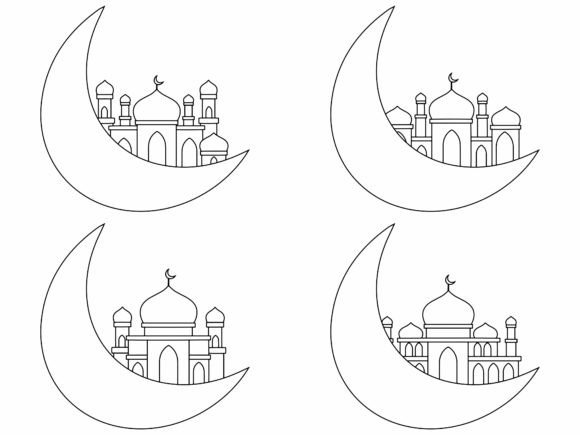
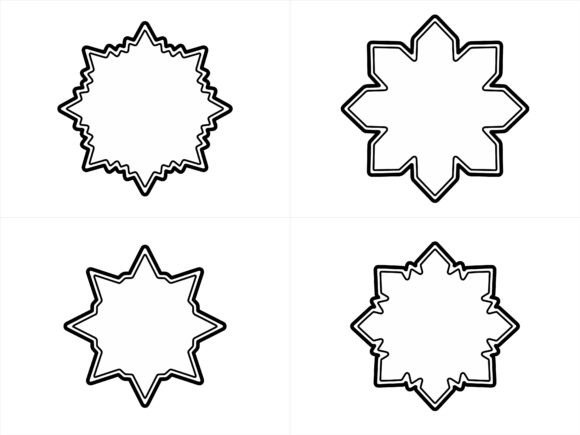
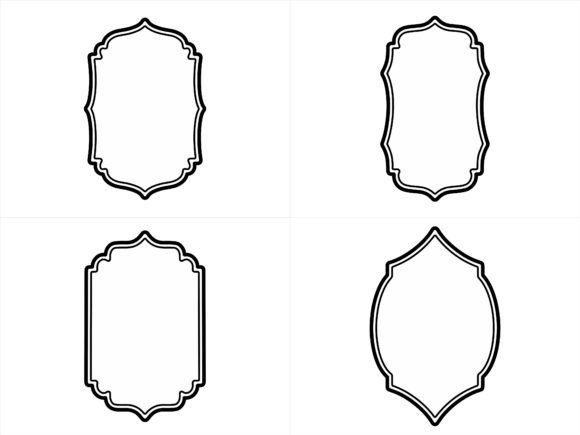
The first thing that stands out about the Islamic Frame Line Art Illustration is its elegance. It’s a clean, line-based design that draws from traditional Islamic motifs — flowing patterns, interlocking shapes, and balanced compositions. This isn’t a bold or flashy file; instead, it brings a sense of calm sophistication to any project. The mood it creates is meditative and timeless, making it ideal for pieces that aim to convey tradition, spirituality, or artistic depth.
Its layout is well-structured with defined borders, which makes it easy to place within a hoop or frame. The detail level is moderate, so it avoids overwhelming the fabric while still offering enough complexity to stand out. As someone who values both function and form, I appreciate that this design feels like it was made for purposeful use — whether as a decorative border or a standalone graphic.
Real-Life Use Cases and Performance
I tested the Islamic Frame Line Art Illustration on a few common embroidery projects to see how it holds up. One standout application was using it as a sweatshirt embroidery element on the back of a custom hoodie. The lines translated beautifully into stitch, especially when paired with a single-color thread palette. The result was subtle yet impactful — perfect for a boutique item where understated style is key.
Another practical use was as a tote bag design. When stitched in satin stitch along the top edge, the illustration framed the bag elegantly without overpowering it. The same design also worked well as an embroidered patch, where I used it to add a refined touch to a denim apron. Its adaptability across different mediums and materials speaks volumes about its versatility as a machine embroidery design.
I found the illustration particularly effective in personalized gifts and nursery decor. On a pillow cover, it added a quiet beauty that complemented embroidered names or dates in script font. For a holiday gift tag stitched onto felt, the design became a focal point that elevated the whole piece without being too loud.
What Works Well
- Custom Apparel: Looks great on t-shirts, sweatshirts, and jackets when used as a central or accent design.
- Baby Items: The softness of the lines fits well with pastel tones and gentle fabrics typical in baby embroidery.
- Wall Decor: Translates well into canvas prints or embroidered wall hangings when stabilized correctly.
- Wedding Invitations: Offers a unique alternative to floral borders, especially for couples seeking something culturally meaningful.
- Stickers and Sublimation: Since it's a line art illustration, it adapts well for heat transfer and print-on-demand purposes.
Where to Be Cautious
While the Islamic Frame Line Art Illustration is versatile, there are a few areas where care is needed. First, avoid using it on very small hoop sizes, as some of the finer elements may get lost or distorted. The design also requires a stable surface due to its linear nature — textured fabrics can cause stitches to sit unevenly, and thin or stretchy materials might lead to distortion during stitching.
When working with dark fabric backgrounds, consider using a white or cream thread color to ensure visibility. If you're planning to embroider on a curved surface such as a cap or hat, you’ll need to adjust the placement carefully to maintain symmetry and clarity.
Because the design contains corners and intersecting lines, always inspect your stabilizer setup before running the stitch. Using a tear-away stabilizer might be sufficient on medium-weight cottons, but for more delicate or frequently washed items like tea towels or baby clothes, I recommend a cutaway option to preserve shape and detail.
Key Considerations for Designers
- Test on Scrap Fabric: Always run a sample before committing to a final project. Especially if you’re planning to sell the finished product.
- Thread Color Contrast: Choose threads that pop against your chosen fabric. Black works well on light, but consider metallic or white for darker bases.
- Review Stitch Density: While the design doesn’t have heavy fill areas, check that the running stitch spacing looks even and consistent.
- Confirm Hoop Size: Make sure the design fits comfortably within the hoop you plan to use. Oversized hoops may require trimming or scaling down.
- Inspect Small Details: Look closely at the inner geometric parts. These should remain sharp and not bleed into each other post-stitching.
- Test in Monochrome: Try black and white mockups to evaluate how the design will look in grayscale, especially for sublimation or tonal applications.
- Check Background Compatibility: Compare the design on both light and dark fabrics to determine optimal thread choices and placement strategies.
- Use Proper Stabilizer: This helps keep the design crisp, especially on stretchy or thin materials.
- Confirm Licensing: Before selling finished products or digital assets, verify that the design allows for commercial use.
Impact on Visual Appeal and Branding
One of the strengths of the Islamic Frame Line Art Illustration is its ability to enhance the handmade presentation of a product. It adds a layer of intentionality and craftsmanship that appeals to customers looking for thoughtful, high-quality items. As an Etsy seller or small shop owner, this kind of design can elevate your brand’s aesthetic and help establish trust through consistency.
It’s also a strong contender for design assets in printable mockups. The simplicity of the line work ensures it remains clear and legible in both digital previews and physical prototypes. Whether you're creating a digital embroidery file for resale or using it to decorate your own inventory, the design maintains a professional appearance that aligns well with curated craft collections.
Customer Reactions and Giftability
In test scenarios, customers reacted positively to the design’s subtlety and cultural relevance. It didn’t overwhelm the product, yet it stood out enough to spark interest. As a holiday embroidery idea, it offered a fresh alternative to standard snowflakes or poinsettias. Similarly, as a wedding gift, it brought a touch of sophistication and meaning that wasn’t immediately obvious in mass-produced options.
For hobbyists and makers, the illustration offers a satisfying challenge — not too simple, not too complex. It’s a great choice for those looking to build confidence with more structured, repeating patterns.
Design Notes for Commercial Embroidery
If you're planning to use this design in commercial embroidery, remember that clarity and consistency matter most. The Islamic Frame Line Art Illustration performs best on smooth, mid-weight fabrics like quilting cotton, felt, or linen blends. Avoid placing it near seams or folds where it could become misaligned or compressed.
For craft business owners and small shop product creators, this design can serve as a signature element in your branding. Think of it as a way to bring cultural depth to your offerings without overdoing it visually. It pairs well with minimalist text or complementary symbols, allowing you to build a cohesive collection of embroidered goods.
On the flip side, don’t expect it to work miracles on every material. For example, using it on a stretchy athletic wear fabric would likely lead to puckering unless you adjust the stitch type and stabilize thoroughly. Also, be mindful of dense stitch areas — the illustration has a lot of fine lines that can bunch up if not properly spaced or supported.
Final Thoughts for Makers and Sellers
Overall, the Islamic Frame Line Art Illustration is a solid addition to your embroidery project toolkit. It’s not just a pretty graphic — it’s a thoughtfully constructed machine embroidery design that respects the balance between form and function. Whether you're creating a personalized gift or designing for a craft fair product, it adds value and visual interest without shouting for attention.
However, don’t underestimate the importance of preparation. Take time to understand how the design interacts with your materials, and don’t hesitate to tweak the settings on your embroidery software for optimal results. Every finished product starts with a smart start, and choosing the right design is half the battle.
So if you're an embroidery designer or creative entrepreneur looking for something that brings culture and class to your work, give the Islamic Frame Line Art Illustration a try. Just make sure to do your homework — test it out, confirm compatibility, and let the design speak for itself in your next project.