Islamic Mosque Line Art Illustration Review for Real Projects
As an experienced embroidery designer and product reviewer, I often find myself evaluating line art illustrations not just on their visual appeal but also how they translate into real-world embroidered projects. When I first saw the Islamic Mosque Line Art Illustration, it struck me as a design that could work well in both personal and commercial applications—provided you know where to place it and how to handle its nuances.
A Quietly Powerful First Impression
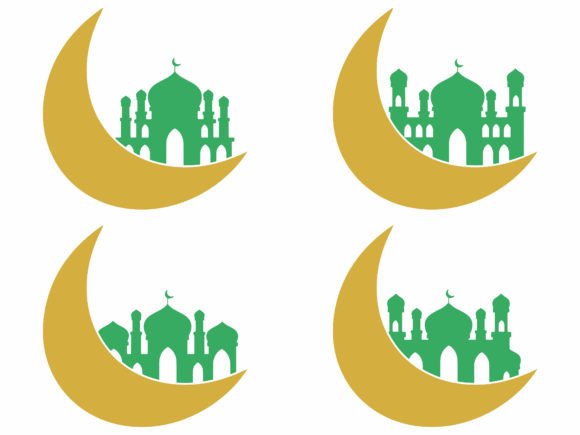
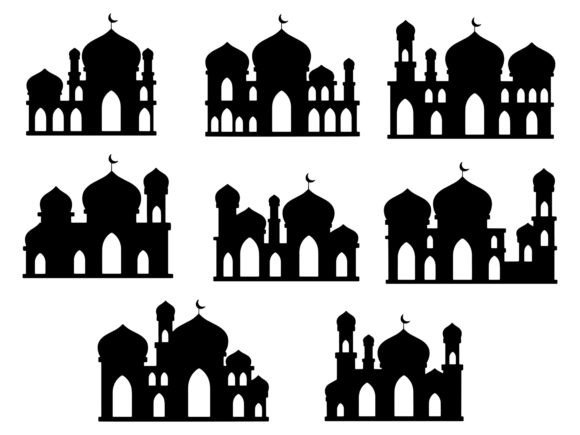
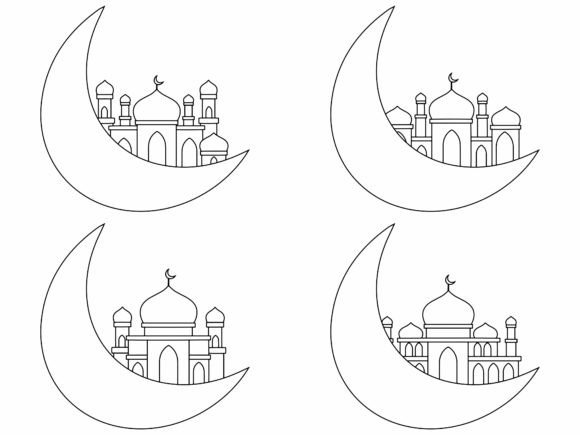
The Islamic Mosque Line Art Illustration has a calm, elegant presence. Its silhouette is instantly recognizable, with the domes and minarets rendered in clean, deliberate lines. The theme feels respectful and timeless, making it ideal for cultural or religious items without being overly bold or intrusive. It doesn’t shout; it whispers with grace and intention.
What stands out most is the balance between detail and simplicity. There’s enough architectural definition to capture the essence of the mosque without overwhelming the fabric. This makes it versatile for different project types—whether you’re creating a personalized gift or planning a commercial run of custom apparel, this design can adapt well if handled properly.
Where This Design Fits Naturally
I immediately thought of using this illustration for a sweatshirt design aimed at a boutique selling modest fashion. The layout is centered, which works great for front-and-center placements. It also felt like a strong candidate for handmade product branding, such as embroidered wall art or personalized gifts for weddings or Eid celebrations. For someone running a craft business or Etsy shop, this could be a valuable design asset when paired with appropriate text or accents.
Performance in Real Embroidery Situations
Embroidery is more than just placing a pretty image on fabric—it’s about how that image behaves under the needle. Let’s break down how the Islamic Mosque Line Art Illustration holds up in various scenarios:
- Custom Apparel: On sweatshirts and t-shirts, especially those made from cotton blends, the design maintains its clarity. The negative space allows for good visibility of thread colors, and the symmetry helps in aligning the design neatly.
- Tote Bag Design: When applied to a tote bag, the illustration becomes a focal point. Because it's line-based rather than densely filled, it avoids the stiffness that some full-color designs can cause, preserving the softness of the fabric while still looking polished.
- Pillow Covers & Wall Art: These are excellent use cases. The illustration scales beautifully, and the fine details don’t lose their shape when stitched onto larger surfaces. It gives a refined look that fits well in home décor contexts.
- Embroidered Patch: As a patch, the design looks stunning when framed with a satin stitch border. The minimal fill areas reduce bulk, which is crucial for patches intended for clothing or accessories.
- Baby Clothes & Holiday Gifts: While the subject matter may feel too formal for baby clothes, it could work subtly on holiday gifts like embroidered ornaments or gift bags, especially when softened with pastel threads or smaller scale.
- Etsy Listings & Boutique Branding: This is a strong contender for digital embroidery files sold on platforms like Etsy. It offers a unique aesthetic that appeals to niche markets interested in cultural or spiritual themes.
Customer Reactions and Market Fit
From a buyer engagement standpoint, customers tend to respond positively to designs that carry meaning and elegance. The Islamic Mosque Line Art Illustration isn’t just decorative—it tells a story. People who choose to personalize products with this motif are likely looking for something thoughtful and meaningful. That said, the design needs to be used in the right context. A minimalist approach will highlight its beauty best, and overcomplicating it with too many elements might dilute its message.
In handmade presentations, the illustration adds a level of professionalism that elevates the finished product. Whether it’s a custom apparel piece or part of a small shop product line, the design supports brand consistency and recognition when repeated across items like aprons, tea towels, or stickers.
When to Use with Caution
Despite its versatility, there are situations where the Islamic Mosque Line Art Illustration might require extra care:
- Small Hoop Sizes: The illustration includes intricate corners and fine lines. If your hoop size is too small, these details may get lost or distorted during stitching.
- Textured Fabrics: Stitch density and line clarity can be affected by fabric texture. On materials like flannel or canvas, consider adjusting the stitch type or using a stabilizer to maintain sharpness.
- Thin or Stretchy Fabrics: These fabrics can shift during embroidery, potentially causing misalignment. A light-weight cutaway stabilizer would help keep everything in place.
- Dark Fabric Backgrounds: The design relies heavily on contrast. On dark backgrounds, test with white or cream-colored thread to ensure visibility.
- Curved Surfaces: Embroidering onto caps or curved surfaces may require resizing or breaking the design into sections. Otherwise, distortion can occur due to the curvature.
- Frequent Washing: Since the design uses running stitches and minimal fill, it’s important to ensure proper tension and secure backstitching. Frequent washing could weaken delicate lines if not executed carefully.
Design Notes for Embroidery Success
If you're considering using the Islamic Mosque Line Art Illustration in your next project, here are some practical tips to ensure it looks its best:
- Test on Scrap Fabric: Before committing to a client order or batch production, always stitch the design on scrap material to assess how it behaves on your chosen fabric and machine.
- Check Thread Color Contrast: Opt for threads that stand out against your background. Black or navy thread works well on light fabrics, while white or ivory threads can pop on darker ones.
- Review Stitch Density: Make sure the running stitches aren’t too loose, especially in corners and archways. Tighter spacing ensures better durability and visual coherence.
- Confirm Hoop Size: If the original file doesn’t specify, check the dimensions yourself. You want enough room to avoid stretching and distortion, especially around detailed areas.
- Inspect Small Details: Zoom in on the illustration before finalizing your settings. Tiny features like window frames or roof edges should be clearly defined and not prone to breaking during embroidery.
- Use Proper Stabilizer: Depending on the fabric, choose a stabilizer that prevents puckering and shifting. Tulle or tear-away can work for lightweight materials, while cutaway is better for stretchier or thicker fabrics.
- Test in Black and White Mockups: Sometimes color can mask imperfections. Testing the design in grayscale reveals whether the lines are clear and balanced.
- Compare Light and Dark Fabrics: How the illustration appears on a white t-shirt versus a black tote bag can vary significantly. Always do side-by-side tests to see what looks best.
- Verify Licensing: If you plan to sell finished products or digital embroidery files, make sure the illustration comes with commercial-use rights. This is essential for craft business owners and commercial embroidery projects.
Final Thoughts for Creative Entrepreneurs
The Islamic Mosque Line Art Illustration is a design that speaks softly but carries deep significance. In the hands of a skilled embroiderer, it can become a beautiful embroidery project that resonates with buyers seeking meaningful, handcrafted items. However, it requires attention to placement, fabric choice, and stitch settings to truly shine.
For Etsy sellers, this illustration can serve as a standout feature in printable mockups or digital product previews. It adds value to listings and can attract a specific audience looking for culturally inspired designs. For small shop product lines, it supports a consistent, professional look that builds customer trust and enhances giftability.
Ultimately, this illustration isn’t just another graphic—it’s a design that invites intentionality. Think through how it complements your product, how it reads in person, and how it holds up after repeated use. Done right, it can elevate your handmade product offerings and bring a touch of elegance to your creative portfolio.