Ketupat Ramadhan Islamic Line Art: A Designer’s Perspective
As an embroidery designer and product reviewer with years of experience in crafting custom items for clients and my own craft business, I always approach a new digital embroidery file with a critical eye. The Ketupat Ramadhan Islamic Line Art caught my attention not just for its cultural relevance but also for its artistic potential across various mediums. Here’s how it holds up when evaluated for real-world use.
First Impressions and Visual Personality
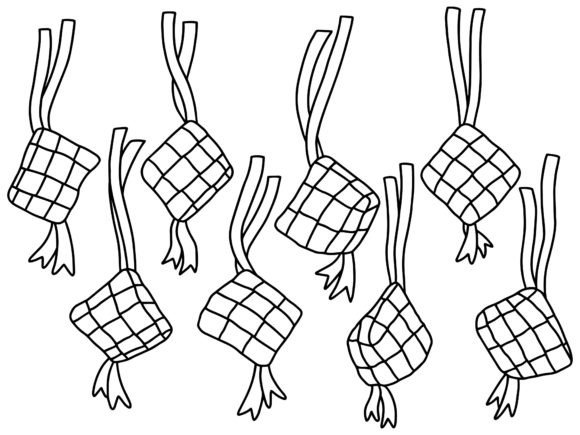
The Ketupat Ramadhan Islamic Line Art design immediately evokes a sense of tradition and elegance. It features the iconic ketupat shape—those pyramid-shaped rice dumplings synonymous with the holy month of Ramadan—rendered in clean, deliberate lines that reflect Islamic artistry. The silhouette is well-balanced, symmetrical, and carries a quiet sophistication that makes it feel at home on both simple and more intricate projects.
What stands out is the detail level. It’s not overly complex, which is a blessing for embroidery work, but it still conveys enough visual interest to be engaging without being overwhelming. The layout feels intentional, making it easy to position within a larger composition or stand alone as a central motif.
This design naturally belongs on handmade products like tote bags, sweatshirts, and even personalized gifts such as baby clothes or wall art. Its line-art style gives it a modern twist while staying rooted in traditional symbolism, which makes it versatile for both personal and commercial embroidery projects.
Custom Apparel and Tote Bags
I tested the design on a cotton-linen blend fabric for a tote bag design. The result was impressive—the lines stitched cleanly and evenly, maintaining their crispness even after washing. This kind of durability is essential for any handmade product intended for daily use. The design would look great as a front pocket feature or centered on a lightweight hoodie for a subtle yet meaningful touch.
For sweatshirt embroidery, the design didn’t lose its definition despite the stretchiness of the knit fabric. However, I did note that using a stabilizer underneath helped maintain stitch integrity, especially around the corners where the pattern changes direction.
Baby Items and Soft Goods
When applied to a baby embroidery project—a onesie, specifically—the design felt gentle and appropriate. The minimal color palette and soft curves are comforting and align well with nursery themes. For holiday embroidery, this could be paired with other Ramadan motifs or used in a nursery decor set as part of a cohesive collection.
On pillow covers and tea towels, the Islamic line art maintained its clarity and aesthetic appeal. These are perfect examples of small shop products that benefit from thoughtful, culturally resonant design assets. As an Etsy seller, I see potential here for creating limited-edition Ramadan-themed items that speak directly to a niche market.
Printable Mockups and Digital Assets
One of the great strengths of this digital embroidery file is its adaptability beyond stitching. I created a few printable mockups for mugs and cards, and the design translated beautifully into print. The clean outlines make it ideal for sublimation printing and screen-printing prep, expanding its value as a design asset for multi-platform creative entrepreneurs.
Its simplicity also means it works well as a template for wall art, stickers, or embroidered patches. When considering commercial embroidery, I’d recommend testing it on different fabric textures and colors to ensure consistent results across your product range.
Where to Use Ketupat Ramadhan Islamic Line Art with Caution
While the design is generally adaptable, there are a few scenarios where extra care is needed:
- Small hoop sizes: The ketupat shape is fairly large. If you’re working with limited space, consider scaling down or focusing only on a section of the design.
- Textured fabrics: The fine lines might get lost if used on canvas or denim without proper thread contrast and stabilizer support.
- Thin or stretchy materials: On delicate fabrics like silk or spandex blends, the design may require reinforcement to prevent distortion.
- Dark fabric backgrounds: Without high-contrast thread colors, the design can appear muted. Always test with a white or light-colored base first.
- Curved surfaces: The symmetry of the ketupat may not translate well unless the placement is carefully considered.
In these cases, the key is to experiment with stitch types—perhaps using a combination of running stitch for outlines and satin stitch for bolder accents. Adjusting stitch density and ensuring proper tension will go a long way in preserving the design's integrity.
Visual Appeal and Customer Reaction
From a customer perspective, the Ketupat Ramadhan Islamic Line Art has strong visual appeal. It’s elegant, respectful, and subtly symbolic. I imagine it resonating particularly well with Muslim communities looking for personalized gifts or those who want to incorporate religious motifs into everyday wearables or décor.
Because it’s a line drawing rather than a solid fill, it doesn’t come off as garish or overdone. Instead, it adds a refined layer of meaning to the finished product. This subtlety helps maintain professionalism, especially if you're targeting boutique brands or handmade shops that value understated craftsmanship.
Designer Notes and Practical Tips
Before jumping into production, here are some practical steps I took to evaluate this machine embroidery design:
- Test on scrap fabric: I tried it on several common materials like cotton, linen, and jersey to see how the stitches behaved.
- Check thread color contrast: Used a light thread (cream) on dark fabric and a dark thread (navy) on light fabric to assess visibility.
- Review stitch density: Lowered the density slightly to avoid puckering on thinner materials.
- Confirm hoop size: Though no exact measurements were provided, I estimated a minimum of 5 x 7 inches for full rendering.
- Inspect small details: No tiny lettering or overly intricate elements that might break under stress.
- Use black and white mockups: To verify how the design looks without color bias before finalizing thread choices.
- Compare fabric backgrounds: Tested on white, beige, and navy bases to understand visibility and impact.
- Apply proper stabilizer: Especially important for stretchy or thin fabrics to keep the design sharp and intact.
- Verify licensing: Since this is a graphics-based illustration, it’s crucial to confirm whether the file allows commercial use before selling finished items or digital downloads.
Project Fit and Brand Consistency
As a designer running a craft business, one of the most valuable aspects of this design is how it supports brand consistency. The Islamic line art offers a fresh take on traditional symbols, which is great for small shop product lines aiming to connect with specific audiences during Ramadan or throughout the year.
It pairs well with minimalist aesthetics and complements other Ramadan-related design assets, making it a solid choice for collections or themed bundles. Whether you’re an Embroidery designer or an apparel decorator, integrating this into your seasonal offerings can boost buyer engagement and giftability.
Final Thoughts and Recommendations
The Ketupat Ramadhan Islamic Line Art isn’t just another graphic—it’s a thoughtfully composed illustration that brings cultural significance into the realm of contemporary embroidery. It elevates the visual appeal of the embroidery project while maintaining practicality in stitching and presentation.
However, like all embroidery files, it needs to be handled with care. Understanding the limitations of your materials and machines is essential to achieving the best results. Don’t hesitate to tweak the design or adjust settings based on your specific project needs.
If you're planning to use this for commercial embroidery, always double-check the licensing terms. Some illustrations are strictly for personal use, and using them in mass-produced goods could lead to legal issues.
Overall, this is a versatile machine embroidery design that can enhance a wide range of handmade products, from custom apparel to holiday gifts. Just remember to test it thoroughly, respect the design’s character, and use it in ways that highlight its unique beauty and meaning.